Exclusive £50 Cashback Voucher
Help your friends find a student home they truly love! Refer & earn £50 on each successful booking!



Student Accommodation
Finding the right student accommodation in Hamburg is one of the first steps to enjoying your university experience in Germany's second-largest city. ...Read More
Finding the right student accommodation in Hamburg is one of the first...Read More
Properties
From / Month
Universities
Support


All Properties Verified
No hidden fees
Free 24/7 booking support
Flexible Payment Options
£50 Exclusive Voucher Included

Student Accommodation (3)
Private Let (31)
Young or Working Professional Housing (1019)
Homestays (4)


Map View

 Filters

Map

Our student housing experts know hamburg inside out. Get free, personalised advice — no pressure.
Map View




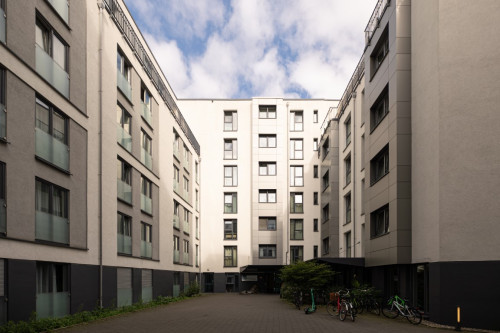
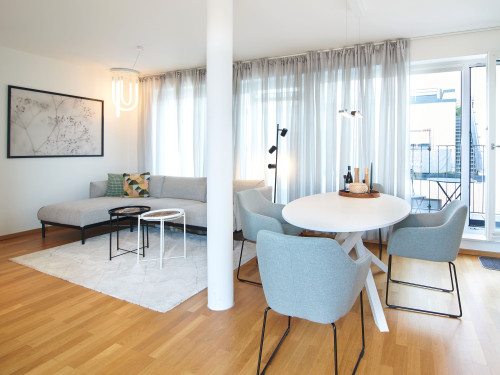
Kieler Str. 3, 22769 Hamburg

20 mins by public transport to Central Hamburg
€1,018
/month...
Hamburg is Germany's second-largest city. Its population in 2026 is around 1,917,879, according to World Population. It is located on the River Elbe in northern Germany. Hamburg is home to Germany's largest seaport and one of Europe's busiest ports, which is the Port of Hamburg.
Hamburg is recognised as one of Germany's leading university cities. According to Hamburg.de, it welcomed about 121,397 students across around 30 public and private higher education institutions during the winter semester 2024/25. The city also attracts a large international student community every year. More than 18,000 international students study in the city, contributing to its diverse and multicultural academic community.
Hamburg offers an excellent balance between studying and city life, from the lively cafés of Sternschanze to the green spaces of Eimsbüttel and the waterfront charm of Altona. The city has many attractions like Miniatur Wunderland, Planten un Blomen, and Elbphilharmonie Hamburg.
Whether you're searching for student accommodation in Hamburg close to campus or exploring accommodation for international students in Hamburg, Casita helps you compare a wide range of student housing options to find a place that suits your budget, preferences, and university location.
Hamburg is home to many recognised universities that attract students from across Germany and around the world.
If you're looking for research-intensive education or practice-based learning, the city's universities offer a wide range of programmes and excellent career opportunities.
The University of Hamburg is the largest university in the city and one of Germany's leading research institutions. The university was founded in 1919. It ranks 209th among the top universities worldwide, according to QS World University Rankings 2027.
The University of Hamburg is a member of the German U15, a group of Germany's leading research universities. The university has approximately more than 44,000 students, including an international community of about 13%.
According to My German University, the most popular subjects at the university are earth system physics, liberal arts and sciences, psychology and biology. The university also hosts one of Germany's leading centres for German sign language and deaf studies.
The university's main campuses include the Von-Melle-Park Campus, which serves as the main campus and features the largest lecture halls and student facilities. It is home to many of the university's humanities and social science disciplines, including the Faculty of Law, the Faculty of Business, Economics and Social Sciences, and the Faculty of Humanities.
The Bundesstraße Campus focuses on mathematics, computer science, and parts of the natural sciences. It features modern laboratories and research centres that support teaching and research in these fields. While the Klein Flottbek Campus specialises in biological and environmental sciences. It is home to the Institute of Plant Science and Microbiology and the Botanical Garden of the University of Hamburg.
Science City Hamburg-Bahrenfeld is the university's newest and fastest-growing research campus. It focuses on major scientific fields such as physics, chemistry, biology, and nanoscience.
The Hamburg University of Technology is one of Germany's leading engineering universities. It was founded in 1978. TUHH is one of the top universities, according to QS World University Rankings 2027. It has around 100 professors and 7,800 students, with approximately 90.7% of them international.
TUHH specialises in engineering, technology, and interdisciplinary research. It is recognised for programmes in mechanical engineering, civil engineering and computer science. The university also works closely with global companies, including Airbus and Lufthansa Technik, providing students with valuable industry connections.
TUHH has a modern campus in Hamburg, the Schwarzenberg Campus (Harburg), the main campus and the heart of TUHH, featuring lecture halls, engineering laboratories, research institutes, the university library, student services, and modern learning facilities.
Founded in 1970, the Hamburg University of Applied Sciences is one of Germany's largest universities of applied sciences, recognised for its practice-oriented education and strong partnerships with industry.
The university offers programmes in engineering, computer science, information technology, business, design, media and health sciences. It also has teaching and research in areas including artificial intelligence, preparing students with the practical skills and professional experience needed for today's job market.
The university has several campuses across Hamburg, including the Berliner Tor Campus, its largest campus, home to the faculties of engineering, computer science, business, and social sciences. The Armgartstraße Campus focuses on art, design, media, and communication, offering programmes in creative and media-related fields.
While the Bergedorf Campus specialises in life sciences, environmental engineering, biotechnology, and other related scientific disciplines. The Finkenau Campus is home to the Faculty of Design, Media, and Information, offering a range of creative and digital programmes.
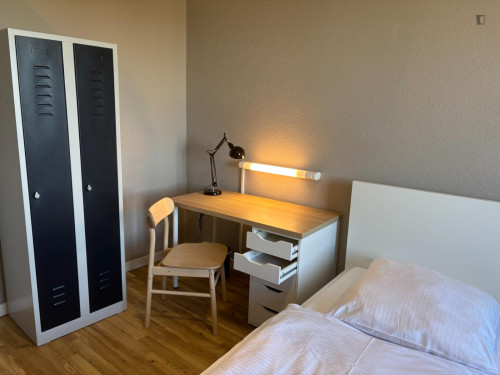
Hamburg offers a wide selection of student accommodation, including shared apartments, en-suite rooms, studios and premium studio apartments. The prices typically start from around €450 per month for shared rooms and exceed €1,100 per month for premium studios in central locations.
Security features like CCTV, secure key-card entry, and on-site staff are increasingly standard across accommodation for international students in Germany.
Hamburg has a variety of student-friendly neighbourhoods, each offering a different lifestyle. Whether you prefer a lively social scene, a quieter residential area, or easy access to campus, these are among the best places to find student accommodation in Hamburg.
Sternschanze is located west of Hamburg city centre. It is one of the city's most vibrant student districts, known for its independent cafés, vintage shops and street art. It is close to Planten un Blomen and the Museum of Hamburg History, with excellent transport links to the University of Hamburg and HAW Hamburg.
Eimsbüttel is in the north-west of the city centre. It is a popular residential neighbourhood with leafy streets, cafés, and a relaxed atmosphere. Students can easily visit the Hamburger Kunsthalle and the Alster Lakes, while the University of Hamburg is within walking or cycling distance.
Altona is along the River Elbe. combines historic charm with modern amenities, independent boutiques, and waterfront cafés. Nearby attractions include the Altona Museum and Altona Balcony, while HAW Hamburg and HafenCity University Hamburg are easily reached by public transport.
According to Numbeo (latest available data), the estimated monthly cost of living for a single person is around €1,018.30, excluding rent.
Your overall expenses will vary depending on your lifestyle, accommodation choice, and personal spending habits.
| Item | Monthly Cost |
| Shared Room | €450-€620 |
| En-suite Room | €490-€950 |
| Studio Apartment | €560-€1,080 |
| Premium Studio | €1,100-€1,500+ |
| Item | Monthly Cost |
| Fresh White 500 g Loaf of Bread | €1.00-€4.00 |
| 1 kg Tomatoes | €1.30-€6.00 |
| 1 kg Onions | €0.95-€3.00 |
| 1 L Milk | €0.99-€1.50 |
| 1 kg White Rice | €1.60-€4.60 |
| 12 Eggs | €2.40-€4.80 |
| 1 kg Local Cheese | €6.00-€20.00 |
| 1 kg Chicken Fillets | €7.50-€14.50 |
| 1 kg Oranges | €1.60-€5.00 |
| 1 kg Apples | €2.20-€3.50 |
| Item | Monthly Cost |
| Basic Utilities (85 m² Apartment) | €210-€465 |
| Mobile Phone Plan | €10-€45 |
| Item | Cost |
| One-Way Ticket | €3.50-€4.10 |
| Student Semester Ticket (Deutschlandsemesterticket) | €34.80 per month (€208.80 per semester) |
Hamburg has an extensive and reliable public transport network. It facilitates travelling between university campuses, accommodation, and the city's main attractions.
Hamburg's U-Bahn and S-Bahn networks run frequently throughout the city, connecting the centre with major residential districts and university campuses. Many full-time students receive the Deutschlandsemesterticket through their semester contribution, giving them unlimited travel on eligible public transport services.
Some of the popular metro stations are Hamburg Hauptbahnhof, Jungfernstieg station and Dammtor station. The website bahnhof.de is the official portal for station information of the Deutsche Bahn, Germany’s national railway company. It provides detailed information about each railway station, rather than booking a train.
HVV's bus network complements the metro and rail services, providing convenient connections to neighbourhoods not directly served by train. MetroBuses and night buses operate across the city, and journeys are included with the Deutschlandsemesterticket, so eligible students can travel without paying extra for everyday bus services.
For students, some of the most useful and well-known MetroBus routes include MetroBus 5, Hamburg's busiest bus route, which connects Burgwedel with the University of Hamburg around the Dammtor and Grindel areas, the city centre, and Hamburg Hauptbahnhof.
MetroBus 4 travels through several central areas of the city, connecting Jenfeld with Hamburg Hauptbahnhof and Altona. While MetroBus 6 connects Sternschanze, St Pauli, and Hamburg Hauptbahnhof with Borgweg and Stadtpark, making it a useful route for students travelling between central neighbourhoods and northern parts of the city.
Trains connect Hamburg with nearby cities, including Lübeck, Lüneburg, and Kiel, making commuting and day trips convenient. Eligible students can use many regional train services covered by the Deutschlandsemesterticket, allowing affordable travel across Hamburg.
Many of Hamburg's central neighbourhoods are compact, walkable, and cycle-friendly, with wide pavements and dedicated bike lanes.
Hamburg offers a mix of cultural landmarks, green spaces, and waterfront attractions, giving students plenty to explore outside the classroom.
Is Hamburg a good place to live for students?
Yes, Hamburg is one of Germany's leading student cities, offering internationally recognised universities, excellent public transport, and plenty of cultural attractions.
What is the most luxurious student accommodation in Hamburg?
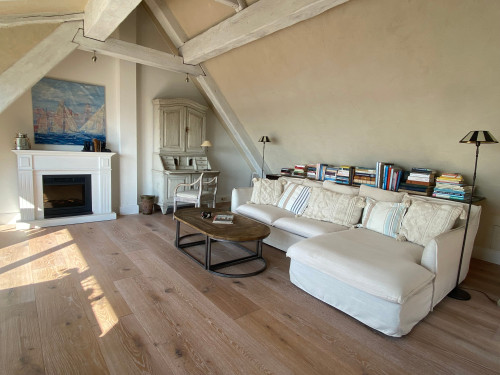
Luxury Penthouse near Alster is one of the most luxurious student accommodations in Hamburg. It includes Wi-Fi, laundry facilities, and car parking.
How much does student accommodation in Hamburg cost?
The cost depends on the room type and location. Shared rooms generally start from around €450 per month, while en-suite rooms, studios, and premium apartments can range from €490 to over €1,500 per month.
What are the most popular neighbourhoods for Hamburg student accommodation?
Sternschanze, Eimsbüttel, and Altona are among the most popular areas for students thanks to their excellent transport links, vibrant social scenes, and convenient access to major universities.
How do I book my apartments for rent in Hamburg with Casita?
You can browse available properties on Casita by selecting your destination, university, budget, room type, and preferred move-in date. Once you've found a suitable option, simply contact our accommodation experts.

See More Questions (5)