Exclusive £50 Cashback Voucher
Help your friends find a student home they truly love! Refer & earn £50 on each successful booking!



Student Accommodation
Student accommodation in Galway offers a range of options close to universities, student areas, and everyday amenities, including furnished shared, si...Read More
Student accommodation in Galway offers a range of options close to universities, student areas, and ...Read More
Properties
From / Week
Universities
Support

All Properties Verified
No hidden fees
Free 24/7 booking support
Flexible Payment Options
£50 Exclusive Voucher Included

Student Accommodation (2)
Homestays (15)


Map View

 Filters


Map

Our student housing experts know galway inside out. Get free, personalised advice — no pressure.
Map View


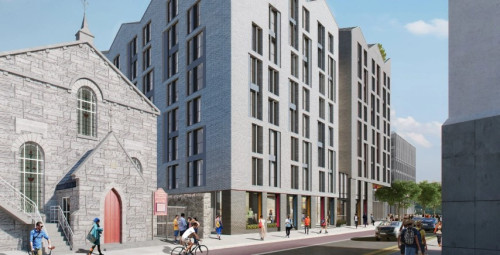

Queen Street, Galway, H91 P8P7

13 mins by public transport, 11 mins walk to Central Galway
€335
/week
Galway combines a strong university environment with a lively cultural scene and a compact urban layout, making it a popular choice for students. Its large student community is supported by institutions such as the University of Galway and Atlantic Technological University, which offer undergraduate and postgraduate programmes across several academic fields.
Accommodation availability is an important consideration when planning a move to Galway. Students can choose between private rooms, shared houses, student residences and en-suite accommodation. Prices vary depending on the property, location, room type and tenancy length, so comparing options early is recommended.
The city's economy also provides opportunities for students seeking part-time work. Retail, hospitality and customer service are among the sectors where students can explore employment, while Galway's established technology, medical-device and business industries offer wider professional opportunities.
Outside university, students can explore Galway's historic streets, visit cultural attractions and attend festivals throughout the year. The Spanish Arch, Galway Cathedral and Galway City Museum are among the city's popular landmarks, while Salthill Promenade offers views across Galway Bay. The city's arts scene also includes theatre, live music, exhibitions and community events.
Galway's compact layout makes travelling between accommodation, university campuses, shops and entertainment venues relatively convenient. Students can use Bus Éireann and City Direct services, cycle or walk to many destinations. The combination of educational opportunities, local employment and student-friendly surroundings makes Galway a practical place to consider for university life.
Student Housing Galway includes several accommodation types to suit different budgets and living preferences. Students can choose between private bedrooms, shared facilities and independent living spaces depending on their requirements.
En-suite rooms provide students with a private bedroom and an attached bathroom. They usually include a bed, study space and storage, while kitchens and living areas are shared with other residents.
This arrangement offers greater bathroom privacy while allowing students to socialise in communal spaces. It can be suitable for those who want a balance between independent living and a shared student environment.
Studio apartments offer private living spaces with a bedroom, bathroom and kitchen facilities within the same unit. They are suitable for students who prefer independent living and want their own cooking and study areas.
Although studio apartments can provide greater privacy, they are less common in Galway than shared houses. Students searching for Student Apartments Galway should compare available studio listings and check whether utilities and other facilities are included in the rent.
Shared apartments allow students to rent individual bedrooms while sharing communal facilities such as kitchens and living rooms. They can be a practical choice for students who want to socialise with housemates and manage their accommodation expenses.
Many private rental properties in Galway are houses with three to five bedrooms, making house-sharing a common arrangement. Students can compare different shared apartments based on the number of occupants, available facilities and total rent.
Non-en-suite rooms provide private bedrooms with shared bathroom and kitchen facilities. They suit students who want their own sleeping and study space without paying for a private bathroom.
These rooms can be more affordable than en-suite options, although students should check how many residents share the bathroom and other communal facilities.
Private rooms provide students with their own bedrooms in shared houses or other accommodation arrangements. Depending on the property, bathrooms, kitchens and living spaces may be shared with other residents.
Students can also consider Student Digs Galway, a type of accommodation where they rent a room in a homeowner's property. These arrangements can be offered on a full-time or five-day basis. Some homeowners provide meals, while others allow students to use the kitchen independently.
According to the University of Galway, digs generally cost around €150-€250 per week, often including bills. Students should confirm the arrangements, meals, facilities and tenancy conditions directly with the homeowner.
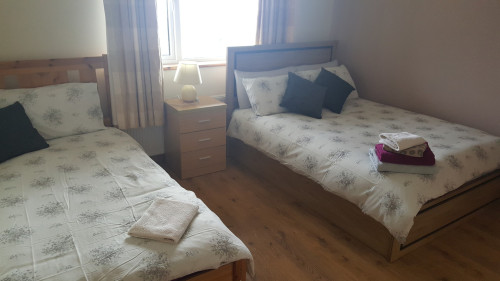
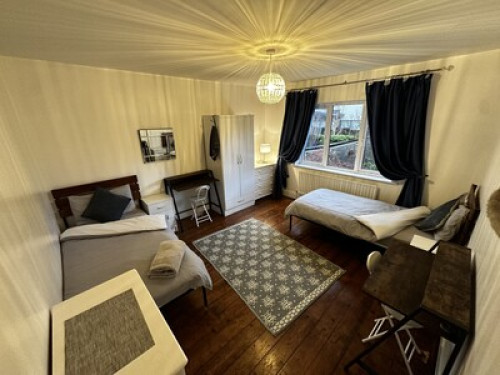
Students looking for a Student Residence Galway can compare different property types, room arrangements and facilities before choosing where to live. Casita offers student accommodation Galway options for rent, including shared rooms, twin rooms and private bedrooms with access to communal facilities.
Here are some available options to consider:
Students with tighter budgets can compare shared accommodation and twin rooms, while those who prefer greater privacy can look at single rooms and en-suite options. Properties should also be compared based on their facilities, security arrangements, location and total rental cost.
Students looking for a more premium student residence can explore Casita's full Galway accommodation listings to compare additional properties, room types and facilities. Availability and prices can change, so it is important to check individual listings before booking.
Galway has several student-friendly neighbourhoods, ranging from the university-focused Newcastle area to the coastal streets of Salthill and the residential neighbourhoods around Westside. The city centre and Woodquay also offer convenient access to shops, transport and local attractions.
Galway City Centre is a practical choice for students who want to live close to shops, cafés, restaurants and cultural attractions. Eyre Square, Shop Street, the Latin Quarter and Spanish Arch are all within walking distance, alongside independent shops and Galway City Museum.
Eyre Square Centre provides additional shopping options, while the surrounding streets offer access to everyday services and transport connections. The central bus network also makes it convenient to travel to university campuses and other neighbourhoods.
The University of Galway campus is approximately a 15-minute walk from the city centre, making central accommodation worth considering for students who want to travel to university on foot. Living centrally can also reduce the need for daily transport, depending on the location of the property.
Salthill is a coastal neighbourhood west of Galway City Centre. It is known for its promenade, beaches and views across Galway Bay, making it suitable for students who enjoy outdoor activities and a seaside setting.
Students can walk, run or cycle along Salthill Promenade, visit Blackrock Diving Tower and spend time at Salthill Beach. Galway Atlantaquaria is also nearby, while local cafés, restaurants and everyday amenities provide additional convenience.
Salthill is also worth considering for students attending Galway Business School, which is based in the area. Its location provides access to the city centre and University of Galway, although students should check their daily commuting routes before choosing accommodation.
Newcastle is one of the most convenient areas for University of Galway students because the university's main campus and River Corrib are nearby. The neighbourhood also provides access to university sports facilities, University Hospital Galway, cafés, shops and student residences.
Students can enjoy walking routes along the River Corrib and access nearby green spaces. Its proximity to the university makes Newcastle a practical option for those who want to reduce their daily commute and stay close to campus facilities.
Woodquay is located near Galway City Centre and the River Corrib, offering a combination of residential streets and easy access to central amenities. The area is close to civic and cultural facilities, local shops and the Corrib Shopping Centre.
Its location makes it suitable for students who want to live near the city centre without being directly in its busiest streets. Woodquay also has access to local bus services, including connections along Headford Road, providing links to Eyre Square and other parts of Galway.
Westside is a residential neighbourhood west of Galway City Centre. It is particularly suitable for students who prefer a quieter setting while remaining connected to everyday amenities.
The area has Westside Shopping Centre, playing fields and local shops, making it convenient for everyday shopping and recreational activities. Bus services connect Westside with the city centre and other parts of Galway, while the University of Galway can also be reached by local transport or cycling.
Students can compare Westside with other residential areas based on their university location, available room types and preferred commuting arrangements.
Renmore is another area worth considering, particularly for students attending Atlantic Technological University's Galway campus. Located in east Galway, it has a quieter residential setting with local cafés, shops and everyday amenities.
Ballyloughane Beach and Lough Atalia offer outdoor spaces for coastal walks and recreational activities. Bus routes also connect Renmore with ATU and Galway City Centre, making it a practical option for students who want access to campus and the city.
Galway has several higher-education institutions, each offering different programmes and campus facilities. Students should consider the location of their specific institution when comparing accommodation, as commuting times can vary between neighbourhoods.
Galway Business School is an independent higher-education institution based at GCI House in Salthill, Galway. It has welcomed Irish, European and international students since 2000 and offers honours degree programmes in business and related fields, alongside certificate and part-time courses.
The school's Salthill location provides access to coastal attractions, local amenities and public transport connections to Galway City Centre. Students can consider accommodation in Salthill, the city centre and other nearby neighbourhoods.
60 Salthill Road Lower is one of the Casita accommodation options to consider in the area.
The University of Galway has a strong reputation for medical research and innovation, supported by its connections with Galway's established medical-technology industry. Its programmes cover medicine, biomedical science, engineering, business, law, arts and science, with particular strengths in biomedical and health-related fields.
The main campus is located on the banks of the River Corrib, approximately a 15-minute walk from Galway City Centre. The university is also home to CÚRAM, a research centre focused on developing innovative medical devices, reflecting the city's links between medical research and industry.
Students attending the university can consider accommodation in Newcastle, the city centre, Salthill and nearby neighbourhoods. These areas provide different commuting options, including walking, cycling and local buses.
Galway-Mayo Institute of Technology (GMIT) became part of Atlantic Technological University (ATU) when the new technological university was established on 1 April 2022. The former GMIT is now represented by ATU's Galway campuses, including its Dublin Road and Wellpark locations.
Atlantic Technological University offers practical, career-focused programmes across engineering, computing, business, science, design, hospitality and health. Its Galway campuses support students across different academic and professional disciplines.
ATU also has strong connections with Galway's technology and medical-device industries. Its Medical and Engineering Technologies (MET) Gateway works with start-ups, SMEs and multinational companies on applied research and innovation across MedTech, life sciences and engineering.
Its Galway iHUB supports businesses in the medical-device sector, contributing to the city's growing innovation and start-up ecosystem.
Students attending the Dublin Road campus can consider areas such as Renmore and the city centre, while those studying at other ATU locations should check their specific campus before choosing accommodation.
National College of Ireland does not currently have a Galway campus. Its official campus locations are in Mayor Square and Spencer Dock, in Dublin's International Financial Services Centre (IFSC).
Students planning to attend National College of Ireland should therefore look for accommodation in Dublin rather than Galway. The college has good transport connections to Dublin's city centre and surrounding neighbourhoods..
The cost of living in Galway depends on accommodation, lifestyle and individual spending habits. Although the city's compact layout can make everyday travel convenient, rent and other regular expenses can account for a significant part of a student's budget.
According to Numbeo's Galway cost-of-living estimates, the estimated monthly expenses for a single person are approximately €1,024.60, excluding rent.
The following figures provide an overview of accommodation and everyday expenses. Prices are indicative and may change depending on location, provider, inflation, seasonal variations and individual spending habits.
Accommodation is generally one of the largest expenses for students living in Galway. Students looking for Cheap Student Accommodation Galway can compare shared rooms, single rooms and en-suite options, as well as consider different residential areas.
| Room Type | Typical Monthly Cost |
| Shared Room | €500.00 - €700.00 |
| Single Room | €700.00 - €1,200.00 |
| En-suite Room | €750.00 - €1,200.00 |
The University of Galway also estimates that a single room in a shared private house generally costs around €700 - €1,200 per month. Students should confirm whether utilities and maintenance bills are included in the rent.
For a better idea of how accommodation costs vary by location, the following table provides indicative monthly room rents across selected student areas.
| Student Area | Indicative Monthly Room Rent | Best For |
| Renmore | €600.00 - €900.00 | ATU students, quieter residential living and campus access |
| Newcastle | €550.00 - €1,000.00 | University of Galway students and proximity to campus |
| Galway City Centre | €550.00 - €1,100.00 | Students prioritising central living, shops and entertainment |
| Salthill | €700.00 - €1,100.00 | Coastal living, outdoor activities and access to the city |
These are indicative market ranges based on available room and student accommodation listings in 2026. Prices vary according to room type, property, tenancy length, included bills and availability.
Grocery expenses depend on where students shop, the brands they choose and how often they prepare meals at home. The following estimates are based on the available Numbeo price ranges for Galway.
| Item | Estimated Price |
| Fresh White 500 g Loaf of Bread | €1.00 - €3.00 |
| 1 kg Tomatoes | €0.99 - €4.08 |
| 1 kg Onions | €1.00 - €2.00 |
| 1 L Milk | €1.00 - €2.00 |
| 1 kg White Rice | €1.50 - €3.00 |
| 12 Eggs | €2.37 - €4.90 |
| 1 kg Local Cheese | €8.00 - €30.00 |
| 1 kg Chicken Fillets | €5.00 - €10.50 |
| 1 kg Oranges | €1.79 - €3.25 |
| 1 kg Apples | €1.50 - €3.50 |
Utility costs depend on the size of the property, energy consumption and the number of people sharing the bills. Students renting private accommodation should check which expenses are included in their rent.
| Item | Estimated Monthly Cost |
| Basic Utilities for an 85 m² Apartment | €170.00 - €300.00 |
Students who regularly use public transport should include bus and train fares in their monthly budgets. Costs depend on the routes used and whether students qualify for discounted fares.
| Item | Estimated Cost |
| One-Way Ticket | €1.90 - €2.00 |
| Monthly Public Transport Pass | €40.00- €86.96 |
Mobile phone plans are another regular student expense. Prices depend on the provider, data allowance and contract arrangement.
| Item | Estimated Monthly Cost |
| Mobile Phone Plan | €12.00 - €40.00 |
Eating out in Galway can be a convenient option when students want a break from cooking. Costs vary depending on the restaurant, location and type of meal.
| Item | Estimated Cost |
| Meal at an Inexpensive Restaurant | €15.00 - €30.00 |
Students can enjoy Galway's cultural venues, cinemas, festivals and other entertainment options throughout the year. Spending depends on the activities chosen and how frequently students attend events.
| Item | Estimated Cost |
| Cinema Ticket | €12.00 - €16.00 |
| Entertainment and Socialising | €100 - €200.00 per month |
Students can access university sports facilities, local gyms and fitness clubs. Membership prices vary depending on the provider and facilities included.
| Item | Estimated Monthly Cost |
| Gym Membership | €30.00 - €45.00 |
Healthcare expenses vary according to a student's medical needs, insurance coverage, GP visits and prescriptions. International students should check the healthcare and insurance requirements that apply to their course and residency circumstances before arriving in Ireland.
Note: All figures are indicative and subject to change. Students should check current prices with accommodation providers, transport operators and service providers when preparing their budgets.
Choosing the right student accommodation in Galway involves considering your budget, university location, preferred room type and lifestyle. Students should compare properties based on rent, facilities, transport connections and tenancy conditions before booking.
Galway has a compact layout, with buses, cycling routes and pedestrian-friendly areas making it convenient for students to travel between university campuses, accommodation, shops and entertainment venues.
Bus Éireann and City Direct operate Galway's city bus services, connecting the city centre with neighbourhoods such as Newcastle, Salthill, Renmore and Westside.
Students can use buses to travel between their accommodation, university campuses and everyday destinations. Routes and journey times depend on the area, so checking the latest timetables is recommended.
The TFI Leap Card provides discounted fares on eligible public transport services in Galway. Young adults aged 19-25 and eligible students can access designated reduced fares on Bus Éireann and City Direct services.
The card can be topped up and used for eligible journeys across the city's bus network. Students should check current fare conditions and eligibility requirements before travelling.
Galway Ceannt Railway Station is located in the city centre and provides rail connections to Dublin through Iarnród Éireann's InterCity services. The railway network also connects Galway with other destinations, with Athenry serving as an important connection towards other regional routes.
Students can use the train for longer journeys, weekend visits and travel beyond Galway.
Cycling is a convenient option for students living close to university or the city centre. It can help reduce daily commuting costs while providing access to different neighbourhoods and coastal routes.
Students who plan to cycle should check local cycling routes and whether their accommodation provides secure bike storage.
Walking is practical in Galway because many student areas, shops, cafés and university facilities are relatively close together. Newcastle is particularly convenient for University of Galway students, while those living in the city centre can reach many everyday amenities on foot.
Salthill also offers walking and cycling routes along the coast, making it a popular area for students who enjoy outdoor activities.
Galway offers plenty of opportunities for students to explore the city, meet new people and enjoy activities outside their studies. Its libraries, cafés, shopping areas, cultural venues, sports facilities and coastal attractions contribute to a varied student lifestyle.
Students can use university and public library facilities for research, coursework and independent study.
Galway has a variety of cafés and restaurants where students can meet friends, take study breaks or enjoy a meal. Shop Street, the Latin Quarter and the streets around Eyre Square offer several options, while Salthill provides additional places to eat near the coast.
Students can find shops and everyday services throughout Galway City Centre.
The University of Galway and ATU organise student societies, performances, sporting activities and events throughout the academic year.
Students can join societies based on their interests, take part in campus activities and meet others from different courses and backgrounds. University events also provide opportunities to explore new hobbies and become involved in the wider student community.
Galway has a well-established arts and cultural scene, with live music, theatre, cinema, exhibitions and performances taking place throughout the year.
Students can explore cultural venues and attend local festivals, concerts and community events. Eyre Square and other central locations also host seasonal activities, markets and public performances.
Students can participate in university sports clubs, fitness activities and recreational programmes. Local gyms and sports facilities provide additional options for students who want to stay active during their studies.
The city's coastal setting also makes it possible to enjoy running, cycling, walking and other outdoor activities throughout the year.
Galway has several outdoor spaces where students can relax, exercise or take a break from studying.
Students can explore Galway's history and culture through its landmarks, museums and historic streets.
Galway's annual festivals also provide opportunities to experience theatre, music, film, visual arts and community celebrations.
Students should begin looking for accommodation as soon as they receive confirmation of their university or college place. Demand for student housing in Galway can be high, particularly before the September intake, so starting early gives students more time to compare available properties.
Students planning to arrive in September should begin researching accommodation during the previous winter.
According to the University of Galway, applications for on-campus and off-campus student residences generally open in February for the following September academic year and remain open for only a few weeks. Some private student accommodation providers, including Westwood and Swuite, begin accepting bookings earlier, from December and January.
Students should sign up for accommodation provider newsletters and monitor university announcements to keep track of application dates and availability.
For private rentals, students can also start searching in March or April and continue checking listings throughout the summer. The University of Galway recommends arriving in Galway early in the summer to arrange property viewings where necessary.
Students starting their courses in January should check with accommodation providers as early as possible. Some properties may offer rooms for the second semester, although availability and contract dates vary.
Students should confirm that their selected property accepts January move-ins and check whether the tenancy covers their intended stay.
Booking early gives students more time to compare room types, accommodation areas, facilities and prices. It can also provide access to a wider selection of properties before demand increases closer to the academic year.
Students should review tenancy agreements, deposits, booking fees, payment schedules and cancellation conditions before making a commitment.
International students should also take care when arranging private accommodation remotely. The University of Galway advises students not to send money to a private landlord before seeing the property in person. Arranging temporary accommodation for arrival and organising property viewings can be a safer approach.
Students who plan to remain in Galway during the summer should check whether their accommodation provider offers summer stays or tenancy extensions.
Some student residences operate on academic-year contracts, while private rental agreements may have different start and end dates. Confirming the exact tenancy period before booking can help students avoid having to find alternative accommodation between academic years.
Casita helps students compare accommodation options in Galway and find a property that suits their university, budget and preferred living arrangements.
The booking process generally involves the following steps:
Students should always check individual property listings for the latest prices, availability, facilities and booking conditions. Casita's accommodation team can also assist with questions throughout the search and booking process.
When is an ideal time to search for Galway student accommodation?
It's important to start looking for Galway student accommodation as early as possible. While Casita is a trusted companion that’s here to help you with most of the steps: the room type, the amenities provided, the location, and the proximity to your university, thorough research is still an essential step to ensure a smooth booking process.
If I want to book for the September intake, when is the best time to do so?
If you are selected for the September intake, you may begin your search for Galway student accommodation between January and March, preferably around six months before your intake.
Do Galway student homes offer short-term stays?
Some Galway student accommodations have the option of short-term stays. Checking the availability of your student accommodation of choice during your desired period is recommended. You can also refer to a Casita accommodation expert to help you find accommodation that accepts short-term stays.
How much does it cost for students to rent a Galway student home?
The average weekly cost for student accommodation in Galway, specifically a single room, is around £130. Other room types like en-suite rooms or studios may cost more depending on the provider.
What payment methods are available for me to pay for my Galway student accommodation?
You can make the payment via several transactional modes, including net banking or through your debit card. We also have our own payment portal at Casita, where we can assist you with the entire payment process.

See More Questions (16)