


Exclusive £50 Cashback Voucher
Help your friends find a student home they truly love! Refer & earn £50 on each successful booking!



Student Accommodation
Student accommodation near MIT offers a range of housing options to suit different budgets and lifestyles, including en-suites and single rooms. Optio...Read More
Student accommodation near MIT offers a range of housing options to su...Read More
Properties
From / Month
Support

All Properties Verified
No hidden fees
Free 24/7 booking support
Flexible Payment Options
£50 Exclusive Voucher Included

Student Accommodation (144)
Homestays (14)


Map View

 Filters

Map

Our student housing experts know boston inside out. Get free, personalised advice — no pressure.
Map View


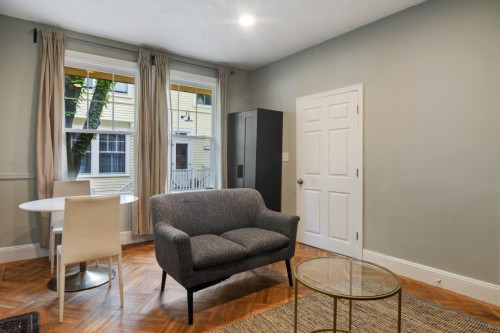
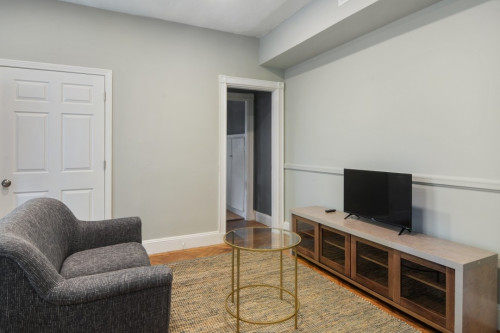
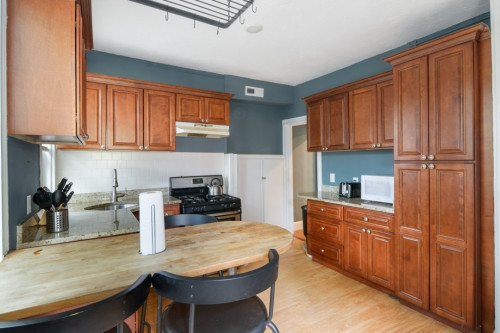
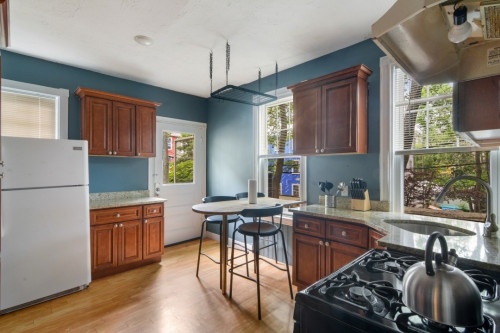

19 Putnam Avenue

11 mins by public transport Massachusetts Institute of Technology
$1,794
/month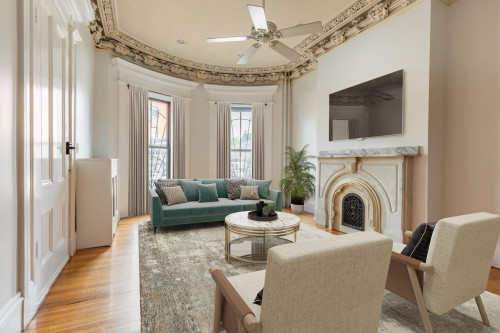
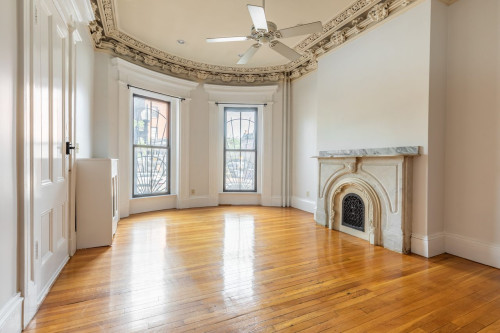
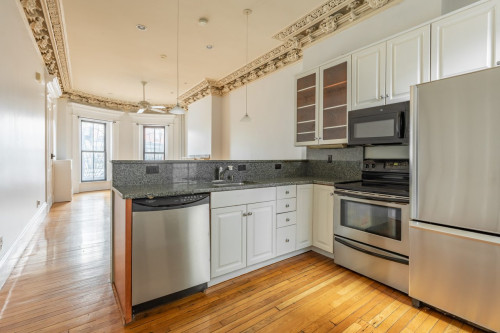
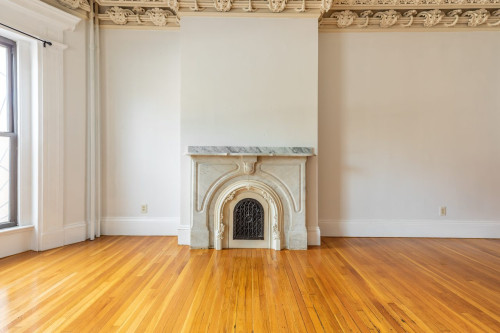
777 Tremont Street
13 mins by public transport Massachusetts Institute of Technology
$4,070
/month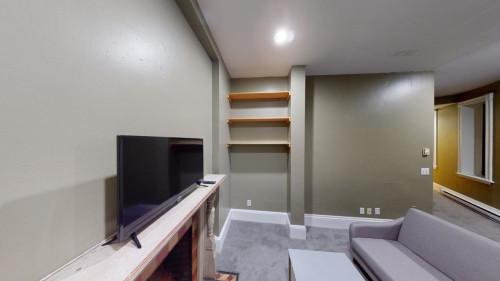
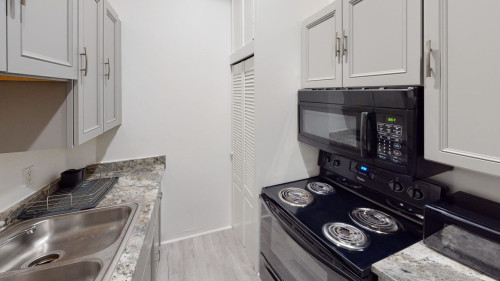
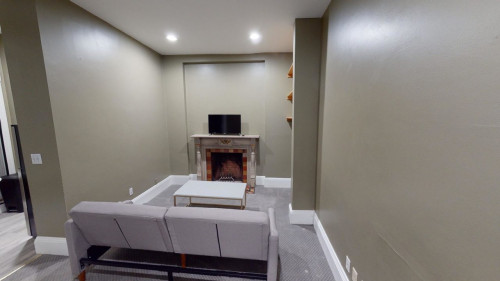
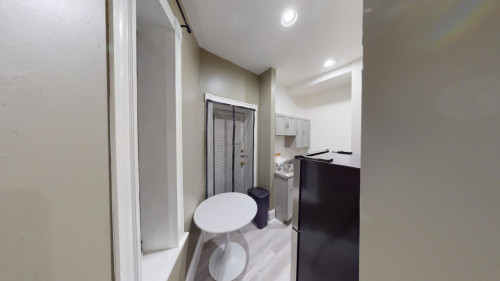
4 Symphony Road
14 mins by public transport Massachusetts Institute of Technology
$3,194
/month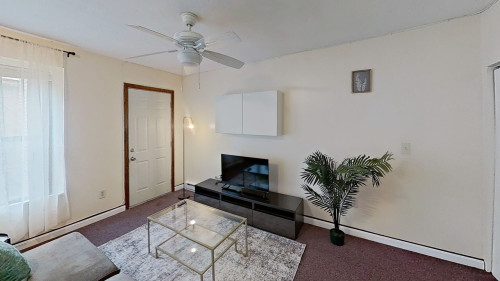
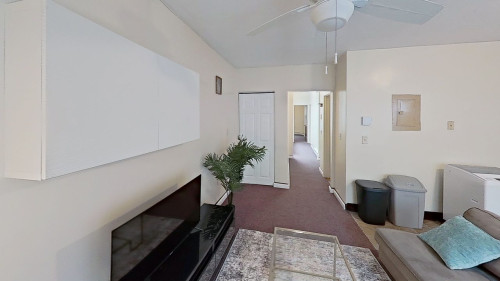
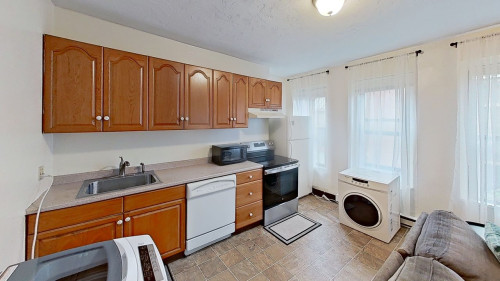
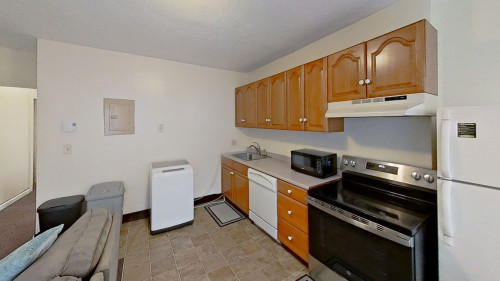
181 Northampton Street
16 mins by public transport Massachusetts Institute of Technology
$1,644
/month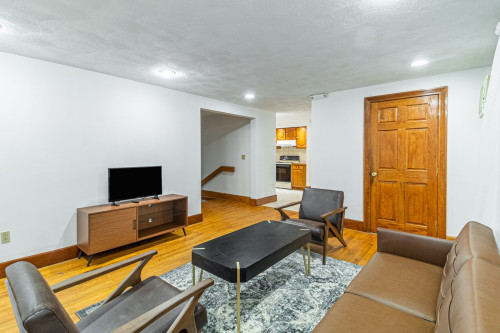
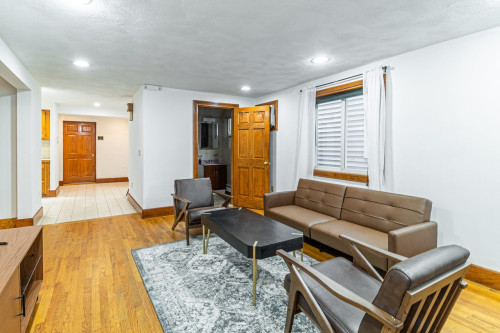
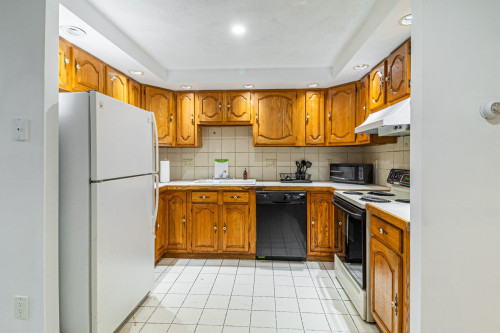
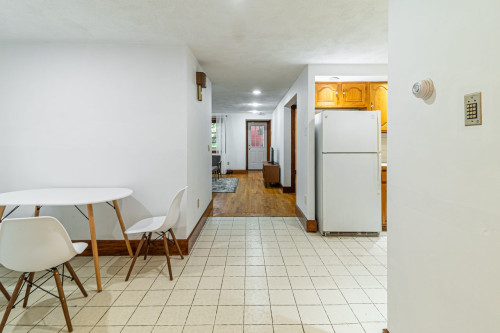
166 Auburn Street
18 mins walk to Massachusetts Institute of Technology
$1,594
/month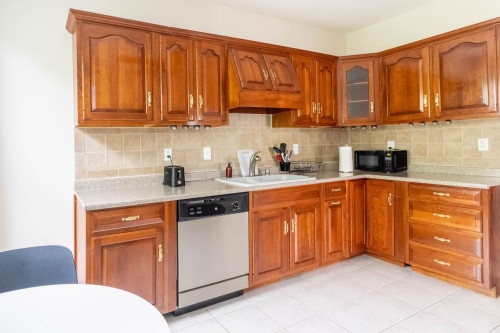
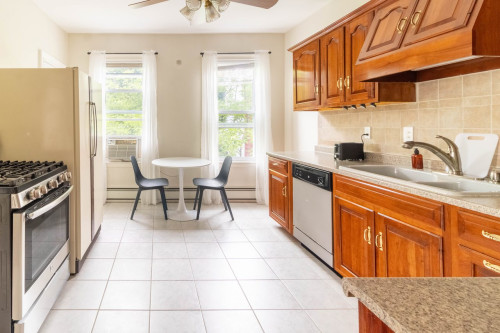
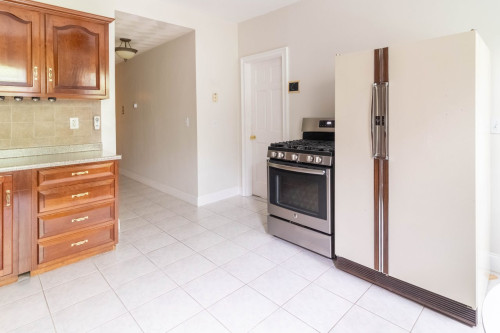
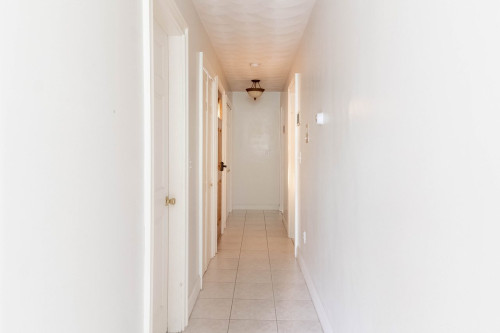
19 Berkshire Street
19 mins walk to Massachusetts Institute of Technology
$1,519
/month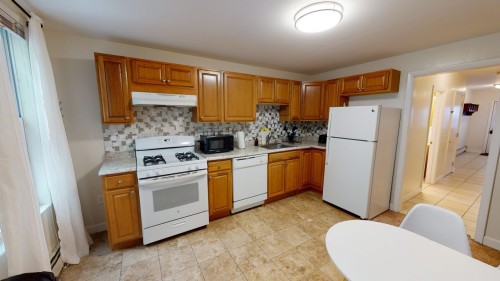
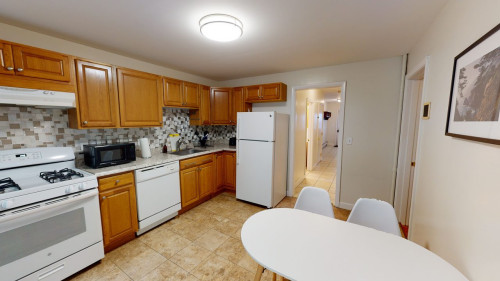
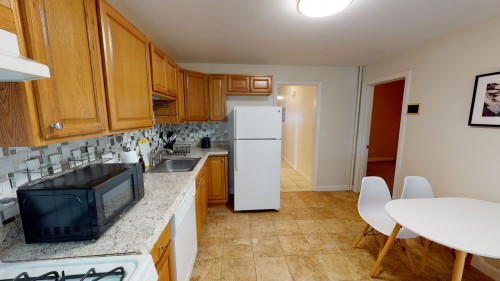
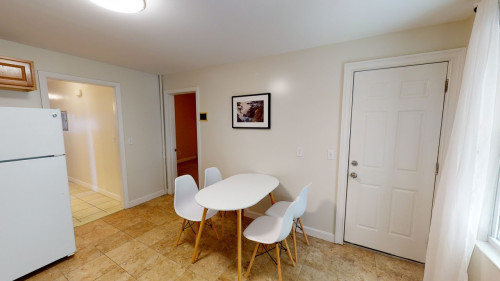
17 Berkshire Street
19 mins walk to Massachusetts Institute of Technology
$1,544
/month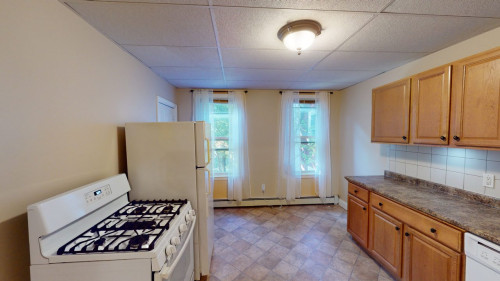
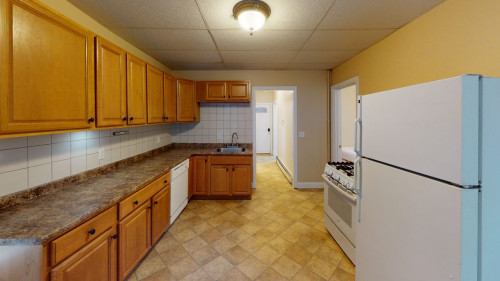
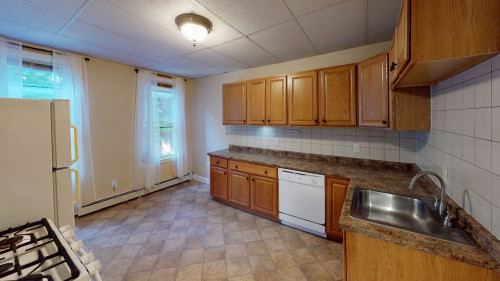
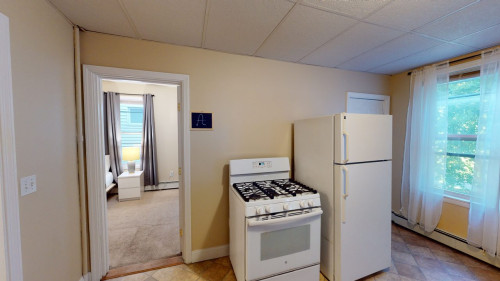
19 Berkshire Street
19 mins walk to Massachusetts Institute of Technology
$1,700
/month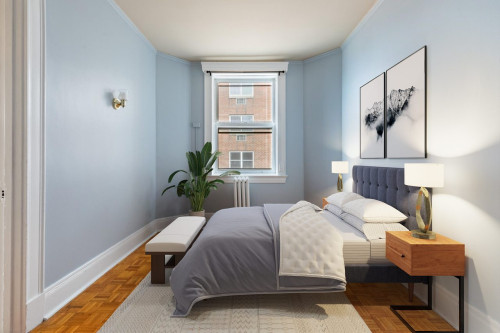
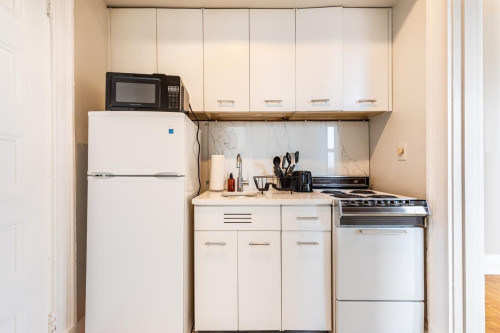
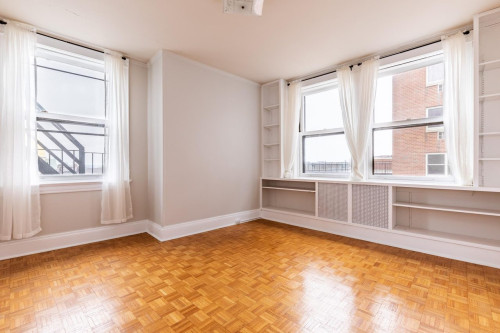
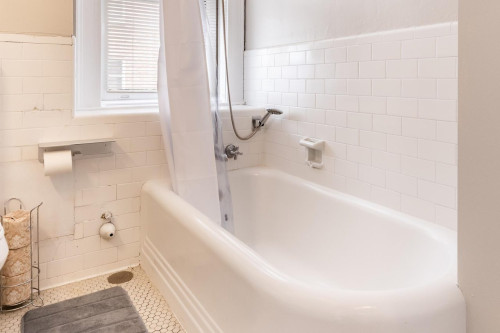
21 Beacon Street
20 mins by public transport Massachusetts Institute of Technology
$3,770
/month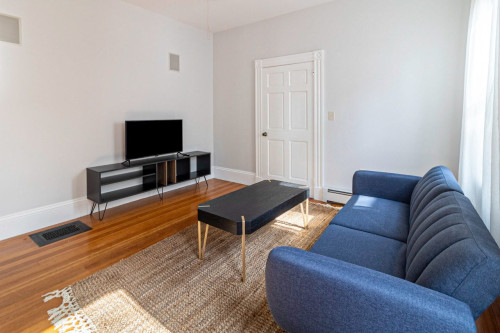
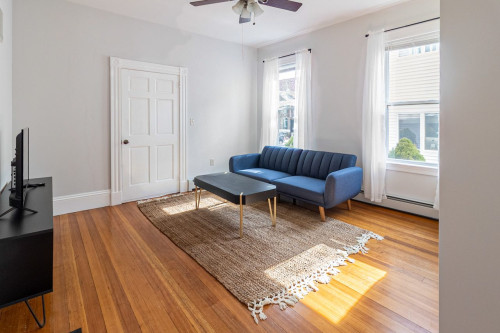
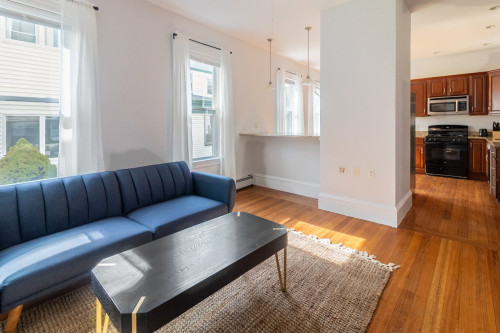
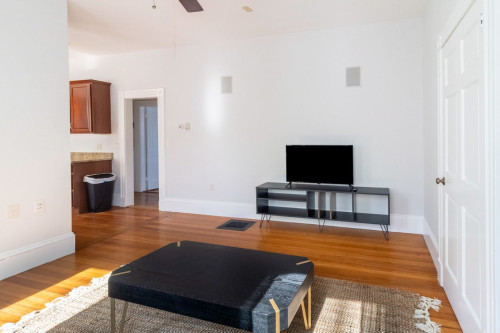
155 Prospect Street
21 mins by public transport Massachusetts Institute of Technology
$1,719
/month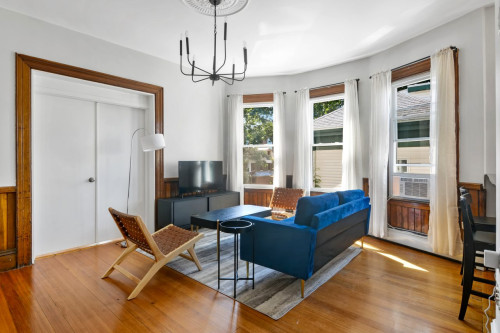
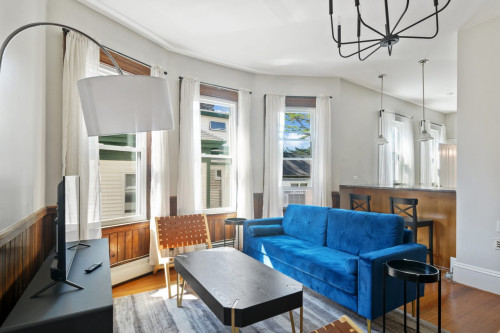
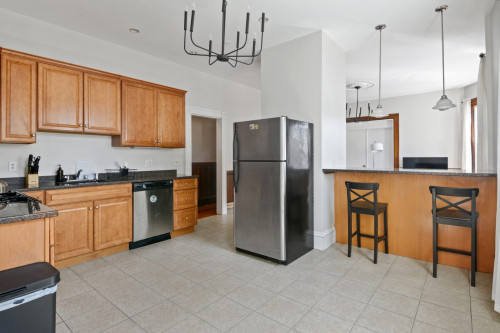
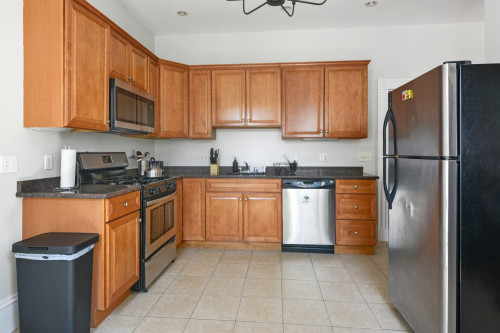
155 Prospect Street
21 mins by public transport Massachusetts Institute of Technology
$1,719
/month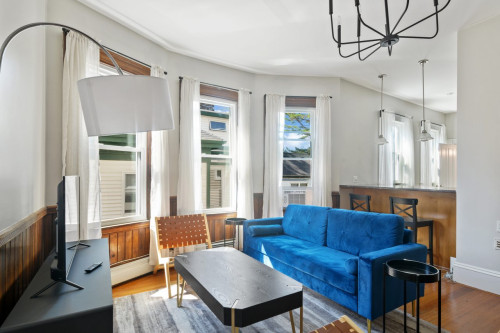
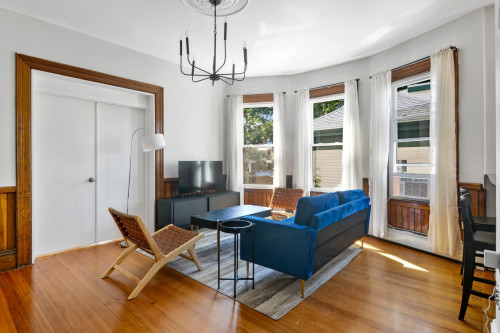
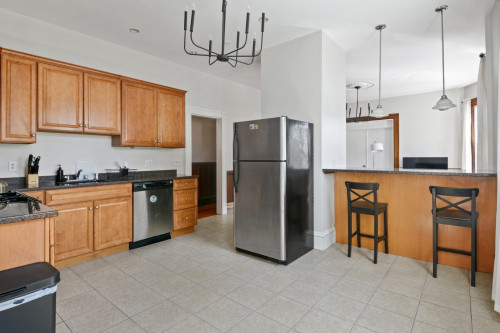
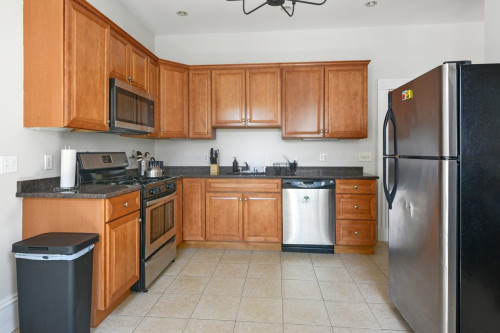
155 Prospect Street
21 mins by public transport Massachusetts Institute of Technology
$1,720
/month...
Massachusetts Institute of Technology (MIT) is a private research university located in Cambridge, Massachusetts. Founded in 1861 in response to the rapid industrialisation of the United States, MIT has become one of the world’s most influential institutions for science, engineering, and technology. Widely recognized for its rigorous academic standards, it fosters a culture of experimentation and problem-solving.
MIT is globally known for its leadership in STEM disciplines and its contributions to scientific research and technological advancement. The university has produced numerous Nobel Prize winners, Turing Award recipients, and influential entrepreneurs who have shaped industries across the world. Its research is highly ranked internationally and is closely connected to major advances in technology and scientific discovery.
Set along the Charles River, the MIT campus offers a highly collaborative environment supported by advanced laboratories and research centres. Students at MIT benefit from a practical, hands-on approach to learning that encourages experimentation, interdisciplinary study, and early involvement in research projects. Its location near Boston also provides access to a major global hub for technology, finance, healthcare, and startups.
MIT offers a highly competitive academic environment designed for students tackling complex challenges in science, technology, and engineering.
The university follows an applied learning approach, encouraging students to solve problems through experimentation, research, and practical application. This makes it especially relevant for fields such as artificial intelligence, robotics, engineering, data science, and entrepreneurship.
Students gain access to advanced research facilities and interdisciplinary centres addressing global scientific and technological challenges. Strong collaboration with industry and research organisations also provides exposure to real-world applications and emerging technologies.
Its academic culture promotes close interaction between students and faculty, supporting cross-disciplinary learning and idea development. Combined with its location in the Boston-Cambridge ecosystem, students benefit from strong internship, networking, and career opportunities.
Academic Schools and Programs at MIT
MIT is organised into several schools and interdisciplinary units:
School of Engineering
School of Science
School of Architecture and Planning
Sloan School of Management
School of Humanities, Arts, and Social Sciences (SHASS)
MIT Schwarzman College of Computing
This structure encourages flexible study pathways and collaboration across disciplines.
MIT is globally recognised for its highly specialised STEM programs, with a strong emphasis on engineering, science, computing, and interdisciplinary research. Popular courses include:
MIT’s most popular and influential field combines computer science, artificial intelligence, electrical engineering, robotics, and data science. Students explore areas such as algorithms, machine learning, hardware systems, and computational theory.
Focuses on robotics, thermodynamics, product design, and advanced manufacturing, blending theory with hands-on engineering applications.
Covers quantum mechanics, astrophysics, particle physics, and cosmology, supported by strong research opportunities in fundamental science.
Includes pure and applied mathematics such as algebra, probability, analysis, and computational mathematics, forming the backbone of many STEM fields.
Focuses on aircraft and spacecraft design, propulsion systems, fluid dynamics, and space exploration technologies.
Covers microeconomics, macroeconomics, econometrics, and mathematical economics, with strong links to policy, finance, and data-driven research.
An interdisciplinary field combining biology, chemistry, and engineering to develop solutions in biotechnology, medicine, and life sciences.
Student life at MIT combines intensive academics with a broad range of extracurricular activities and a strong residential community system. While the workload is demanding, students engage in clubs, traditions, and social activities that help create balance and connection across campus. The experience is further enriched by MIT’s location in Cambridge, offering access to Boston’s cultural, academic, and professional environment.
MIT has more than 500 student organisations covering academic, cultural, artistic, entrepreneurial, volunteering, and recreational interests. These include engineering teams, robotics groups, hackathons, performance societies, and cultural associations.
Students often participate in multiple organisations, helping them build collaboration skills, leadership experience, and interdisciplinary interests beyond coursework.
MIT provides academic resources through several libraries, including Hayden Library and Barker Engineering Library, along with specialised subject libraries across campus. Study spaces include quiet reading areas and collaborative rooms designed for group projects.
Students also have access to makerspaces where they can design, prototype, and build projects using advanced tools, supporting hands-on learning across disciplines.
Students can take part in varsity athletics, club sports, and recreational activities supported by MIT’s Department of Athletics, Physical Education and Recreation. Facilities include fitness centres, swimming pools, and indoor and outdoor sports venues.
Campus life at MIT includes dining halls, cafés, and shared spaces such as the Stratton Student Center, which serves as a central hub for informal gatherings.
Residential communities and student groups play a key role in social life, with events and traditions held throughout the academic year. Outside campus, Cambridge and Boston offer a wide range of restaurants, museums, music venues, and entertainment options.
MIT provides structured support through its International Students Office (ISO) and wider student services to assist international students throughout their studies.
Visa & Immigration Support: Guidance on F-1 requirements and documentation
Orientation & Transition Support: Programs to help students adjust academically and socially
Academic Support: Advising, tutoring, and faculty mentoring across departments
Health & Wellbeing Services: Medical and counselling support through MIT Health
Career Support: Internship and career guidance through CAPD
International students form a significant part of MIT’s community, contributing to its global academic environment.
Student housing offers student housing near MIT, including single rooms and en-suites, with prices ranging from around $1,000 per month.
Monthly rent near Massachusetts Institute of Technology varies depending on neighborhood, building type, and proximity to campus. On average, student accommodation in Cambridge typically ranges from around $1,200 per month for shared rooms to over $5,000 for premium private apartments in prime locations.
Average Rent: $3,300 - $5,000/month
Kendall Square is the most convenient and high-demand area for MIT students, located directly adjacent to campus. It’s home to major tech companies, research centres, cafés, restaurants, and modern apartment buildings. Its standout features include MIT’s innovation ecosystem, nearby research centres, tech companies, cafés, and the MIT Museum located close to campus.
Average Rent: $2,400 - $3,600/month
Central Square is a lively and well-connected neighborhood located between MIT and Harvard University. It offers a mix of restaurants, grocery stores, live music venues, and affordable housing compared to Kendall Square. Key highlights of the area include the Central Square Theater and its active live music and arts scene. For transportation, the Red Line subway station provides quick access to campus and the wider Boston area. Central Square is especially popular among students who want a balance between social activity and reasonable rent, while still staying close to MIT.
Average Rent: $2,200 - $3,400/month
Cambridgeport is a quieter residential neighborhood southwest of MIT, known for its tree-lined streets and more relaxed atmosphere. It offers a mix of apartments and shared housing, making it a practical choice for students seeking affordability without moving too far from campus. The nearby Charles River paths are popular for jogging, cycling, and outdoor recreation.
Average Rent: $2,900 - $4,200/month
Back Bay is located across the river in Boston and is connected to MIT via the MBTA Green and Red Line system. It’s a more upscale district featuring historic architecture, and its Newbury Street, one of Boston’s most famous shopping and dining areas, is lined with boutiques, cafés, and cultural venues. It’s a strong option for students who prefer a more polished urban environment with easy transit access to MIT.
Student housing costs near MIT vary depending on room type, building quality, and proximity to campus. Accommodation is typically the largest monthly expense for students living in Cambridge, with prices among the highest in the United States. Many students reduce costs by sharing apartments or choosing housing slightly farther from campus.
Room Type | Monthly Cost | Features |
Studio | $2,500 - $3,500 | Private kitchen and bathroom, suitable for independent living. |
En-suite Room | $1,500 - $2,500 | Private bedroom and bathroom with shared kitchen and communal spaces. |
Shared Room | $1,000 - $1,800 | The most affordable option, typically involving shared bedrooms or larger shared apartments. |
Students at MIT benefit from a highly walkable campus and extensive public transport connections throughout Cambridge and Boston. Many daily destinations, including academic buildings, libraries, cafés, and student facilities, can be reached on foot or by bicycle.
MIT is served by the Massachusetts Bay Transportation Authority (MBTA), one of the largest public transport systems in the United States. The campus is directly connected to the Kendall/MIT Station on the Red Line, providing quick access to downtown Boston, Harvard University, and other parts of the Greater Boston area.
Several MBTA bus routes also serve the campus and surrounding neighborhoods, making it easy to travel between accommodation, academic facilities, and nearby attractions.
Cycling is a popular mode of transport among MIT students due to Cambridge's extensive network of bike lanes and cycling infrastructure. MIT supports cyclists through bike parking facilities, repair stations, and programs that encourage sustainable transportation. The relatively flat terrain and compact layout of Cambridge make cycling a convenient option for commuting to and from campus.
Walking remains one of the easiest ways to travel around MIT. Academic buildings, libraries, dining facilities, and recreational spaces are all located within a compact campus environment. Many students living in nearby areas such as Kendall Square, Cambridgeport, and Central Square can walk to campus within minutes.
MIT's location in Cambridge provides excellent access to domestic and international travel. The nearest airport is Boston Logan International Airport, located approximately 5 miles (8 km) from campus and accessible via public transport, taxi, and ride-share services.
Boston Logan offers direct flights to major destinations across North America, Europe, Asia, and the Middle East, making travel convenient for both domestic and international students. Additionally, South Station provides access to Amtrak rail services and regional transport connections throughout the northeastern United States.
MIT Museum: Features interactive exhibits exploring science, technology, engineering, and contemporary research.
Charles River Esplanade: A scenic riverside park offering walking, running, and cycling paths with views of the Boston skyline.
Museum of Science: One of New England's leading science museums, featuring hands-on exhibits, live demonstrations, and an IMAX theatre.
Harvard Square: A lively district known for its cafés, bookstores, restaurants, and historic atmosphere.
Boston Common: The oldest public park in the United States, offering green spaces, events, and easy access to downtown Boston attractions.
Choosing the right student accommodation near MIT depends on several factors that can influence your comfort, budget, and overall university experience.
Location: Consider proximity to campus and access to neighborhoods such as Kendall Square, Central Square, and Cambridgeport.
Budget: Evaluate monthly rent alongside other living expenses, including transport and groceries.
Bills Included: Check whether utilities, Wi-Fi, heating, and other services are included in the rent.
Safety: Look for secure buildings, well-lit streets, and student-friendly neighborhoods.
Facilities: Consider amenities such as study rooms, fitness centres, laundry facilities, and communal spaces.
Contract Type: Review lease lengths and flexibility to ensure they align with your academic plans.
Compare Verified Properties in One Place
Expert Guidance from Booking to Move-In
24/7 Multilingual Student Support
No Hidden Fees or Unexpected Charges
Secure and Hassle-Free Booking Process
Accommodation Options to Suit Every Budget
Trusted by Students from Around the World
Access to Housing in Top Student Cities Globally
This makes finding MIT student housing, off-campus housing near Massachusetts Institute of Technology, and student apartments near MIT simpler and more convenient for both domestic and international students.
Why do students choose off-campus housing near MIT?
Many students choose off-campus housing near MIT to access a wider range of accommodation options, greater independence, and more flexibility than on-campus residences. Popular neighborhoods such as Kendall Square, Central Square, Cambridgeport, and Back Bay provide convenient access to campus while offering different lifestyles and price points.
What is the cost of student housing near MIT?
Student accommodation near MIT typically ranges from around $1,000 - $1,800/month for shared rooms, $1,500 - $2,500/month for en-suite rooms, and $2,500 - $3,500/month for studio apartments. Costs vary depending on location, amenities, and proximity to campus.
Is student housing near MIT well-connected to transport?
Yes. Most MIT student housing options are well-connected through the MBTA public transport network. The campus is served by Kendall/MIT Station on the Red Line, while buses, cycling routes, and pedestrian-friendly streets make commuting throughout Cambridge and Boston straightforward.
When should I start looking for accommodation near MIT?
It is recommended to begin searching 3 - 6 months before the start of the academic year. Demand for student apartments near MIT is high, particularly in neighborhoods close to campus, and the most desirable properties are often secured well in advance.
Can I find budget-friendly student housing near MIT?
Yes, although affordable options can be competitive. Shared apartments and accommodation in areas such as Cambridgeport or parts of Central Square often provide better value than premium locations such as Kendall Square. Sharing with roommates is one of the most common ways students reduce housing costs.

See More Questions (5)