Exclusive £50 Cashback Voucher
Help your friends find a student home they truly love! Refer & earn £50 on each successful booking!



Student Accommodation
Student accommodation near Heidelberg University offers a range of housing options to suit different budgets and lifestyles, including flats for singl...Read More
Student accommodation near Heidelberg University offers a range of housing options to suit different...Read More
Properties
From / Month
Support

All Properties Verified
No hidden fees
Free 24/7 booking support
Flexible Payment Options
£50 Exclusive Voucher Included

Student Accommodation (1)
Young or Working Professional Housing (118)


Map View

 Filters

Map

Our student housing experts know heidelberg inside out. Get free, personalised advice — no pressure.
Map View


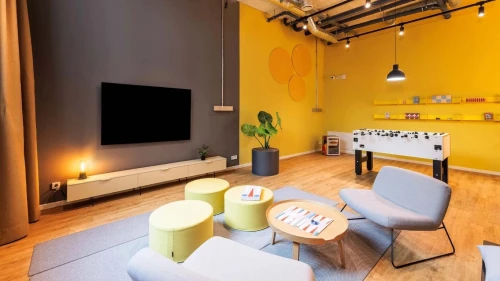

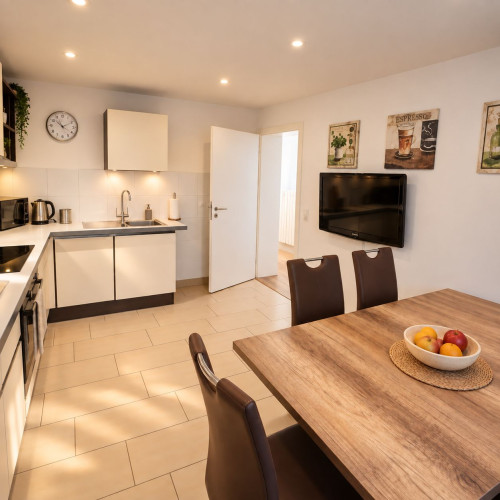
Halbergstraße 3, 67061 Ludwigshafen

24 mins by car to Heidelberg University
€703
/month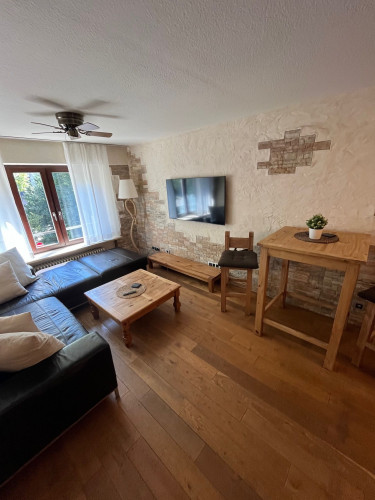
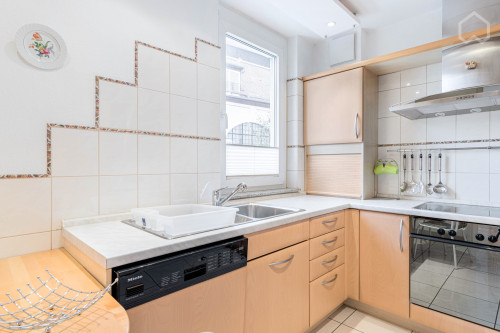
51 Friedrich-Ebert-Anlage
8 mins by car to Heidelberg University
€2,800
/month...
Heidelberg University is Germany's oldest university and one of Europe's most prestigious research institutions. Founded in 1386, it is located in the historic city of Heidelberg in southwestern Germany. The university is widely recognised for its strengths in medicine, life sciences, humanities, and natural sciences. As a member of Germany's Excellence Strategy, Heidelberg consistently ranks among Germany's leading universities and attracts students and researchers from around the world.
What sets Heidelberg apart is its strong research environment. The university works closely with renowned medical centres and scientific organisations across the Heidelberg region, giving students the opportunity to study in an environment shaped by innovation and discovery. From biomedical sciences and cancer research to archaeology and philosophy, students benefit from interdisciplinary collaboration and access to internationally recognised research facilities.
This research-driven approach has helped establish Heidelberg as one of Germany's leading centres for innovation while making it one of the best universities in Germany for international students.
Located along the Neckar River, Heidelberg combines centuries of academic tradition with a modern learning environment. The university's facilities are spread across historic buildings in the Old Town and the Neuenheimer Feld campus, home to many of its science, medicine, and research departments. As a result, students experience both the city's rich history and one of Germany's largest science and research campuses.
| Fact | Details |
| Founded | 1386 |
| Location | Heidelberg, Germany |
| Type | Public Research University |
| Student Population | 32,178 students |
| International Students | 6,633 students |
| QS Ranking 2027 | #86 |
| Language of Instruction | German & English |
| Tuition Fees | EU/EEA students pay a €189.80 mandatory semester fee Non-EU/EEA students pay €1,500 per semester for Bachelor's and consecutive Master's degrees + the €189.80 mandatory semester fee |
Note: All students are required to pay the semester contribution (Semesterbeitrag) of €189.80 per semester, which covers student services, administrative costs, and other campus-related fees.
Choosing to study at Heidelberg University means joining one of Germany's most respected research communities. The university is particularly renowned for medicine, life sciences, and scientific research, with many programmes benefiting from close links to leading hospitals, research institutes, and healthcare organisations throughout the Heidelberg region. These partnerships allow students to learn in an environment where research and real-world applications go hand in hand.
Another advantage is access to Neuenheimer Feld, one of Germany's largest science, medical, and research campuses. Home to laboratories, university clinics, and specialist research facilities, the campus encourages collaboration between students, academics, researchers, and healthcare professionals across a wide range of disciplines. For many students, this creates valuable opportunities to gain practical experience alongside their studies.
Heidelberg also offers a different student experience compared to larger cities such as Berlin or Munich. Often described as a true university town, the city has a compact layout, a welcoming international community, and a long academic tradition that shapes everyday life. Whether you're walking through the historic Old Town, studying by the Neckar River, or meeting friends in one of the city's cafés, it's easy to see why students from around the world choose to study at Heidelberg University in Germany.
If you're interested in medicine, humanities, law, economics, or the natural sciences, Heidelberg University offers more than 190 degree programmes across 13 faculties. The university is particularly recognised for its strengths in medicine, life sciences, physics, and interdisciplinary research, while giving students the flexibility to specialise in their chosen field or explore related disciplines.
State Examination degrees are primarily offered in regulated professions such as medicine, dentistry, pharmacy, and law, while doctoral programmes provide opportunities for advanced research across a wide range of academic fields.
Heidelberg University offers Bachelor's, Master's, doctoral, and State Examination programmes across a broad range of disciplines. Most Bachelor's degrees take six semesters (three years) to complete, although programme length varies depending on the subject. Medicine, for example, follows a twelve-semester (six-year) State Examination structure, while dentistry, pharmacy, and law also have longer study periods.
Many Bachelor's degrees allow students to combine a major subject with a related minor, creating opportunities for interdisciplinary learning. Depending on the programme, students may also choose between single-subject and combined degree pathways. Teaching-related subjects are offered through Heidelberg's polyvalent Bachelor's model, which prepares graduates either for a specialised Master's degree or for teacher training.
Some of Heidelberg University's most popular programmes include:
One of the biggest advantages for international students is the growing number of English-taught Master's programmes available at Heidelberg University. While most Bachelor's degrees are taught in German, postgraduate students can choose from a variety of English-language programmes, particularly in science, technology, health, and economics.
Some of the most popular English-taught degrees include:
Note: Most Bachelor's programmes require German language proficiency. Students admitted to Bachelor's or Master of Education programmes generally need German language skills equivalent to DSH 2. Although many Master's programmes are taught entirely in English, learning some German before arriving can make everyday life, travel, and part-time work in Heidelberg much easier.
Planning to study at Heidelberg University? International applicants must meet the entry requirements for their chosen programme, which vary depending on the degree level and subject area.
For undergraduate study, applicants generally need a recognised secondary school qualification, academic transcripts, proof of language proficiency, and a valid passport or ID. Those applying for a Master's programme typically need a relevant Bachelor's degree, academic transcripts, language certificates, and, depending on the programme, additional documents such as a CV or motivation letter.
As admission requirements and application procedures differ between programmes, it's always best to check the official Heidelberg University website before applying.
Undergraduate applicants generally need:
Master's applicants generally need:
Heidelberg University tuition and fees vary depending on your nationality and programme.
Students from EU and EEA countries do not pay tuition fees but are required to pay a mandatory semester contribution of €189.80 each semester, which covers student services, administration, and other campus-related costs.
Most non-EU and non-EEA students pay €1,500 per semester for Bachelor's and consecutive Master's programmes, in addition to the semester contribution. Some non-consecutive Master's programmes follow different fee structures, so it's important to check the requirements for your chosen course before applying.
Alongside tuition and semester fees, students should also budget for accommodation, food, transport, health insurance, and other everyday living expenses while studying in Heidelberg.
If you're planning to study abroad in Heidelberg, it's important to budget for accommodation, food, transport, health insurance, and everyday personal expenses. The estimates below provide a general guide to monthly student living costs, although your actual budget will depend on your accommodation, lifestyle, and spending habits.
| Expense | Estimated Monthly Cost |
| Accommodation | €350 - €950 |
| Food & Groceries | €200 - €400 |
| Health Insurance | €150 |
| Public Transport | €45 - €63 |
| Leisure & Personal Expenses | €150 - €300 |
| Estimated Total | €895 - €2,013 |
Accommodation is usually the largest monthly expense for students, with costs varying depending on the type of housing, location, and included amenities. While Heidelberg is generally more affordable than cities such as Munich, it can be more expensive than some smaller German university towns. Planning a realistic monthly budget, cooking at home, and making use of student discounts can all help keep living costs manageable.
Tip: Heidelberg's student accommodation can fill up quickly before the start of each semester, so it's a good idea to begin your housing search as early as possible to secure your preferred location and room type.
Student life in Heidelberg extends far beyond the lecture hall. As one of Germany's best-known university towns, the city has been shaped by students for centuries, creating a lively academic atmosphere where historic streets, cafés, riverside walks, and university buildings all become part of everyday life. With students making up a significant part of the population, it's easy to find study spaces, cultural events, and social activities throughout the year.
Heidelberg University supports a wide range of student organisations covering academic interests, music, theatre, volunteering, politics, entrepreneurship, and international exchange. International students are also well supported through initiatives such as the Erasmus Student Network (ESN) Heidelberg, which organises welcome events, city tours, language exchanges, and social activities that make it easier to settle into university life and meet students from around the world.
Students can also take part in Heidelberg University's General University Sport (Hochschulsport) programme, which offers activities ranging from football, volleyball, and rowing to yoga, climbing, skiing, and martial arts. Many activities are free or available at discounted student rates, making it easy to stay active alongside your studies.
Beyond campus, Heidelberg's historic setting adds to the student experience. Attractions such as Heidelberg Castle, the Old Town, and the Neckar River provide plenty of places to relax, while seasonal events, including the Christmas Market, concerts, festivals, and cultural celebrations, keep the city lively throughout the year.
Thanks to Heidelberg's compact layout and reliable public transport, students can easily get around the city by tram and bus. Many also use Germany's Deutschlandticket, which offers unlimited travel on most regional and local public transport services across the country for a fixed monthly fee, making weekend trips even more affordable.
Together, Heidelberg's international community, rich history, and welcoming atmosphere create a student experience that balances academic ambition with an enjoyable lifestyle outside the classroom.
Finding student accommodation near Heidelberg University can be competitive, especially before the start of each semester. Planning ahead gives you a much better chance of securing a property in your preferred neighbourhood. Student accommodation near Heidelberg University starts from around €630 per month and includes a range of modern, student-focused housing options across the city.
Several neighbourhoods are particularly popular among students:
Choosing accommodation close to your campus can reduce daily travel time and make it easier to access classes, libraries, university facilities, and student activities.
Student accommodation near Heidelberg University includes a range of accommodation options, including flats available for single or shared use, with prices starting at around €630 per month.
Heidelberg University's strong research reputation and close links with organisations such as Heidelberg University Hospital, the German Cancer Research Center (DKFZ), the European Molecular Biology Laboratory (EMBL), and several Max Planck Institutes provide valuable opportunities for internships, research projects, and student assistant (HiWi) roles, particularly in medicine, life sciences, biotechnology, and physics.
International students in Germany are generally allowed to work 140 full days or 280 half days per year, making it possible to gain work experience while studying. Many students work part-time in hospitality, retail, university departments, or as student assistants (HiWi), while others gain experience through internships related to their degree. While many international students find English-speaking opportunities, learning basic German can broaden employment options both on and off campus.
Graduates benefit from Heidelberg University's international reputation and strong research network, opening career opportunities across healthcare, biotechnology, pharmaceuticals, engineering, finance, academia, and many other sectors.
International students should also be aware that compulsory internships required as part of their degree are generally treated differently from voluntary employment under German regulations.
Heidelberg University combines a long history of academic excellence with a world-class research environment and a welcoming university city. Whether you're interested in medicine, science, humanities, or social sciences, studying here offers the opportunity to learn from leading academics while becoming part of an international student community.
Planning ahead by researching your course, budgeting for living costs, and securing student accommodation near Heidelberg University early will help you settle into university life with confidence and make the most of your time in one of Germany's most historic student cities.
Looking for student accommodation near Heidelberg University? Casita helps you compare verified housing options and find the perfect student home before the semester begins.
Is Heidelberg University a good choice for international students?
Yes. Heidelberg University is one of Germany's leading research universities and attracts thousands of international students each year. It offers a global academic environment, internationally recognised degrees, and a growing selection of English-taught Master's programmes.
Is Heidelberg University free for international students?
Not entirely. Students from EU/EEA countries generally pay only the semester contribution, while most non-EU/EEA students pay tuition fees of €1,500 per semester for Bachelor's and consecutive Master's programmes, in addition to the semester contribution.
Does Heidelberg University offer programmes in English?
Yes. Heidelberg University offers a range of English-taught programmes, primarily at Master's level, in fields such as Data and Computer Science, Molecular Biosciences, Scientific Computing, Physics, International Health, and Economics. Most Bachelor's programmes are taught in German.
Can I study at Heidelberg University without speaking German?
It depends on the programme. Many Master's degrees are available in English, but most Bachelor's programmes require German language proficiency. Learning basic German is also recommended to make daily life in Heidelberg easier.
What is Heidelberg University best known for?
Heidelberg University is particularly recognised for its excellence in medicine, life sciences, physics, and interdisciplinary research. It is also Germany's oldest university and maintains close links with internationally recognised research organisations, including Heidelberg University Hospital, the German Cancer Research Center (DKFZ), EMBL, and several Max Planck Institutes.

See More Questions (4)