


Interesting Facts About Liverpool You Didn't Know
Entertainment
Exploring
4 mins read


Share

Updated at: 09 November, 2026

By Nora Mostafa
Entertainment
Exploring
4 mins read
Updated at: 09 November, 2026
By Nora Mostafa
Share
Liverpool is a city full of surprises, with a rich history, a world-famous music scene, and a football culture that brings people together. The city ranks 54th among the top student cities, according to QS rankings.
From fascinating maritime stories and historic buildings to unusual local traditions and hidden gems, Liverpool has plenty of interesting facts to discover. Whether you are planning a visit or considering studying in the city, these facts will help you see Liverpool from a different perspective.
Top Interesting Facts About Liverpool
The following list has some of the most intriguing facts about Liverpool and will give you a hint about things to do in Liverpool during your stay there. Let’s get started!
Liverpool is the Birthplace of The Beatles
Liverpool is the hometown of The Beatles, one of the most influential bands in music history. They formed in 1960, and the members were John Lennon, Paul McCartney, George Harrison, and Ringo Starr. All of them had connections to the city where the band developed its early sound. Music fans can visit the Cavern Club, where The Beatles performed regularly, or explore the Beatles Story museum to learn more about their journey from Liverpool to international fame.
Liverpool Has a Rich Maritime History
Liverpool grew into an important port city through centuries of maritime trade. Its waterfront played a major role in connecting Britain with destinations worldwide. Today, the Royal Albert Dock is one of the city's best-known landmarks, with its historic dock buildings housing museums, galleries, restaurants, and shops. It offers visitors a glimpse into Liverpool's trading past while remaining a lively part of modern city life.
Liverpool Has Its Own Food and Accent
One of Liverpool's best-known traditional dishes is scouse, a hearty stew usually made with meat, potatoes, carrots, and onions. It is commonly served with bread or pickled red cabbage and is associated with the city's working-class and maritime heritage.
The dish is also linked to the local nickname Scousers, which refers to people from Liverpool.
Liverpool has its own distinctive accent and dialect, also called Scouse. Local expressions such as “la” and “sound” are often heard in everyday conversation, with “sound” commonly used to mean good, fine, or all right. These expressions are part of the city's character and reflect its strong sense of local identity.
The City Is Famous for Its Three Graces
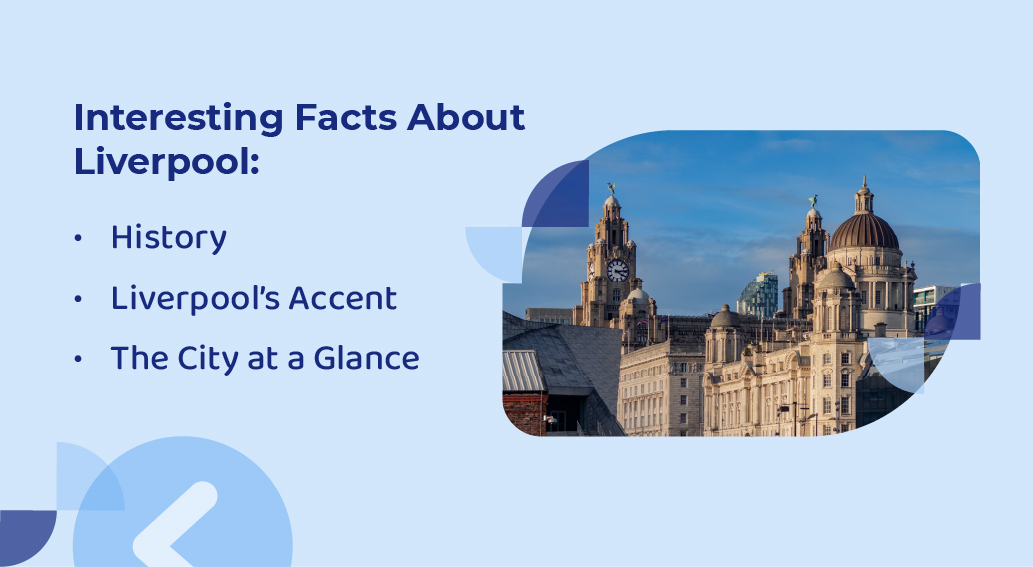
Liverpool's waterfront is famous for the Three Graces: the Royal Liver Building, the Cunard Building, and the Port of Liverpool Building. These striking structures reflect the city's commercial and maritime heritage and form one of Liverpool's most recognisable views. The Royal Liver Building is particularly famous for its two Liver Birds, which have become enduring symbols of the city.
Football Is a Huge Part of Liverpool's Identity
Football is deeply woven into Liverpool's identity, with Liverpool FC and Everton FC attracting passionate supporters. The two clubs have a long-standing rivalry known as the Merseyside derby, reflecting the city's strong football traditions. Match days bring excitement to the city, while Anfield and Everton's Hill Dickinson Stadium are important destinations for fans who want to experience the local football atmosphere.
One of Europe's Oldest Chinatowns
Liverpool has one of the oldest established Chinese communities in Europe, with connections dating back to the 19th century, when trade between Liverpool and China helped bring Chinese sailors and merchants to the city.
Today, Liverpool Chinatown is a vibrant cultural area known for its restaurants, Chinese businesses, and striking Chinese arch on Nelson Street. The arch, installed in 2000, was a gift from Shanghai, Liverpool's twin city.
Had the World's First Commercial Wet Dock
Liverpool made an important contribution to maritime history when its Old Dock opened in 1715. Widely recognised as the world's first commercial wet dock, it let ships stay afloat while cargo was loaded and unloaded, rather than relying on changing tides. This innovation helped Liverpool expand its trading capacity and strengthened its position as a major port.
The First Inter-City Railway Started Here
The Liverpool and Manchester Railway opened in 1830, marking a major milestone in railway history. It was the first inter-city passenger railway to rely exclusively on steam locomotives and helped make journeys between the two industrial cities faster and more reliable. The railway also strengthened the connection between Liverpool's busy port and Manchester's manufacturing industries, influencing the development of modern rail transport.
The Oldest Surviving Building in the City Centre
The Bluecoat is widely recognised as the oldest surviving building in Liverpool city centre. Completed in 1725, it originally served as a charity school before becoming an arts centre. Today, it hosts exhibitions, creative events, and activities, bringing together Liverpool's architectural heritage and contemporary arts scene
Network of Mysterious Underground Tunnels
Beneath Liverpool's Edge Hill area lies a network of underground tunnels and chambers known as the Williamson Tunnels. Built during the early 19th century under the direction of businessman Joseph Williamson, their original purpose remains uncertain. Parts of the network have been excavated, giving visitors a chance to explore one of the city's more unusual historical mysteries.
Sculpture Trail Along the Coast
A short journey from Liverpool city centre, Crosby Beach features Another Place, an artwork by British sculptor Antony Gormley. The installation consists of 100 cast-iron figures positioned along the beach and facing out to sea. The figures change in appearance with the tides, weather, and light, making the coastline an unusual place to experience public art.
Liverpool Not Only for Studying
Liverpool is much more than a city famous for football and The Beatles. From its historic waterfront and railway milestones. The city has plenty of stories waiting to be discovered. Whether you are planning to study there. Exploring these interesting facts about Liverpool is a great way to appreciate its character, culture, and history.
Entertainment
Exploring
By Nora Mostafa
Share
Entertainment
Exploring
Updated at:
By Nora Mostafa
Share


